Search Site

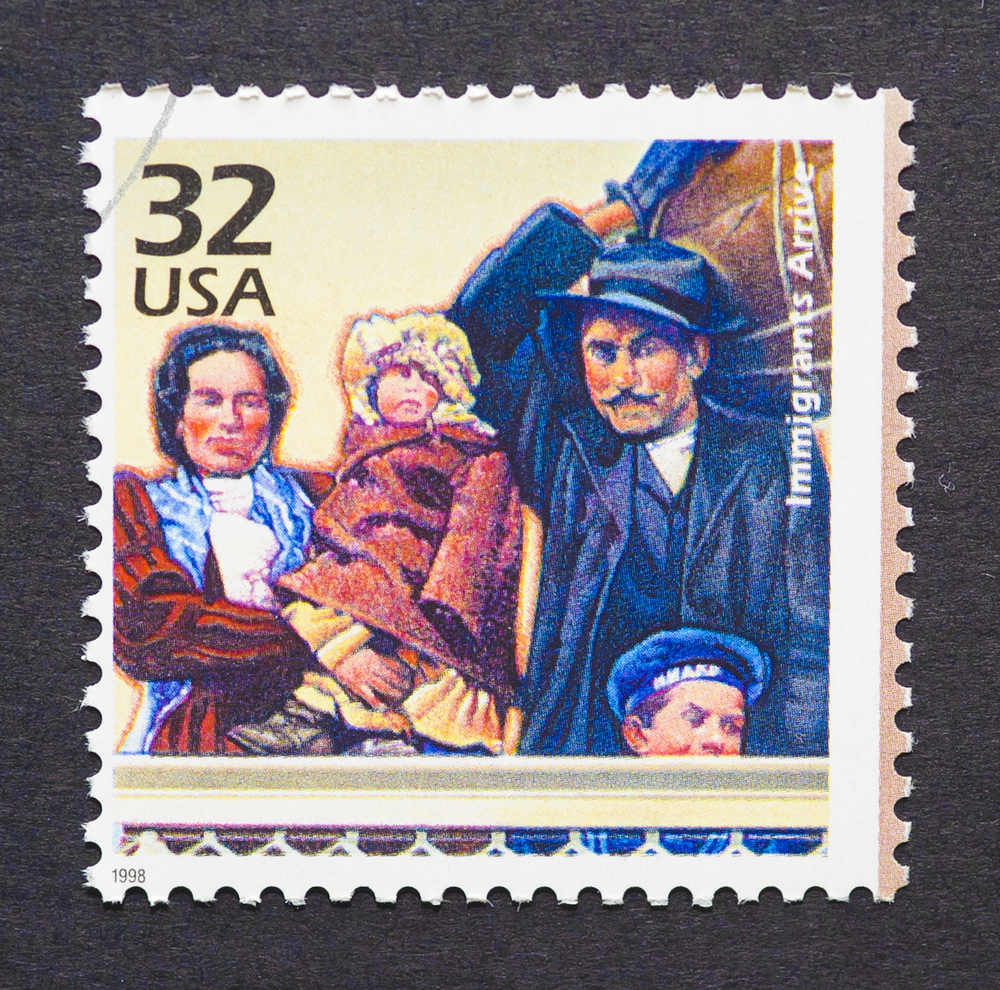
Proposed rule expands I-601A waivers for undocumented immigrants
Certain family members of US citizens and permanent legal residents are getting some relief in the latest proposed rule from the DHS. Under current law, undocumented spouses and children of US citizens and lawful permanent residents who are in the US unlawfully can’t get a green card without leaving the US first. They must apply for an immigrant visa abroad (based on a petition filed by their family member) and must be interviewed by the consulate in their country, before returning to the US as a lawful permanent resident. This rule has left these family members in a difficult situation. That’s because if they leave the US in order to have their interview with their consulate abroad, they are then barred from returning to the US for either 3 or 10 years (depending on how long they were in the US illegally). The rationale for this rule is to penalize those entering the US unlawfully.
Immigration News from ILW.COM
our attorneys






Awards & Affiliations





For help with visas, green cards, waivers, deportation proceedings or immigration, contact us below.